
Gene Therapy: 13 year old Khalid becomes Qatar’s first recipient of ItvismaTM for Spinal Muscular Atrophy
28 July, 2026
 Watch Video
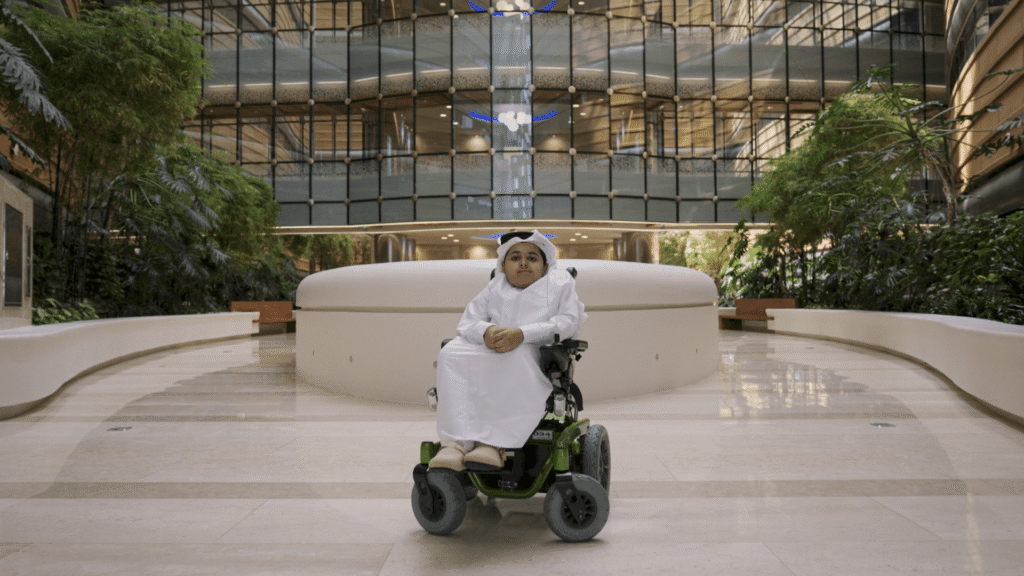
One-time gene replacement therapy expands access to precision treatment for eligible children, adolescents, and adults living with spinal muscular atrophy
In July 2026, Sidra Medicine became the first hospital in Qatar to administer ItvismaTM (onasemnogene abeparvovec) an advanced one-time gene replacement therapy to 13-year-old Khalid, an adolescent living with spinal muscular atrophy (SMA).
The milestone represents an important advancement in Qatar’s precision medicine journey, marking it as the third country in the world to administer ItvismaTM. The new gene-therapy protocol also highlights Sidra Medicine’s leadership in delivering highly specialized therapies for patients living with rare genetic diseases.
Expanding Precision Treatment for Spinal Muscular Atrophy
ItvismaTM is a one-time intrathecal gene replacement therapy designed to address the underlying genetic cause of SMA by delivering a functional copy of the human SMN1 gene. Treatment eligibility is determined following comprehensive clinical and genetic assessment by an experienced multidisciplinary team.
For Khalid and his family, receiving the gene therapy represents the culmination of years of determination and an unwavering search for the best possible treatment. Diagnosed with spinal muscular atrophy at an early age, Khalid’s family sought specialist medical advice internationally while continuing to follow advances in SMA care. The availability of ItvismaTM at Sidra Medicine has now enabled him to receive advanced gene therapy in Qatar, close to his family and the multidisciplinary team that has supported his care.
The administration of ItvismaTM followed months of multidisciplinary preparation involving specialists from Genetics and Genomic Medicine; Interventional Radiology; Neurology; Pharmacy; Anesthesiology, Pediatric Intensive Care; Pulmonology; Physiotherapy and Rehabilitation; Nursing; Endocrinology; and Orthopedic Spine Services. Together, the teams established a coordinated clinical pathway designed to support Khalid throughout every stage of his care.
The gene therapy was delivered through a single intrathecal injection in interventional radiology. The approach enables the clinical team to visualize the procedure in real time, navigate complex anatomy, and support accurate needle placement and controlled delivery into the spinal canal.
The approved protocol specifies that ItvismaTM should be administered intrathecally through lumbar puncture by healthcare professionals experienced in performing the procedure, with emphasis on image guidance due to the severe scoliosis present in this patient group.
A Journey Defined by Determination and Hope
Khalid’s mother said: “As a mother, you never stop believing in your child or searching for the best possible care. We traveled to different countries looking for answers and treatment options, and seeing Khalid receive this therapy here in Qatar is a dream come true. We are deeply grateful to everyone at Sidra Medicine for their compassion, expertise, and exceptionally coordinated care throughout our journey.”
Now 13 years old, Khalid is a high-performing student at Qatar Academy Sidra and is known for his determination, positive outlook, and love of video games. Khalid said: “Receiving this treatment in Qatar means so much to me and my family. I am thankful to all of the doctors, nurses, and healthcare teams who supported us throughout this journey. The first thing I want to do is take my mother to Makkah and Medina. I also look forward to continuing my studies and becoming a doctor one day so I can help other children like me.”
Khalid will continue to receive scheduled follow-up care at Sidra Medicine to monitor his safety and clinical progress. His personalized care plan includes laboratory monitoring during the early post-treatment period, management of the required corticosteroid regimen, and ongoing evaluation of motor function, respiratory health, mobility, rehabilitation goals, and overall well-being.
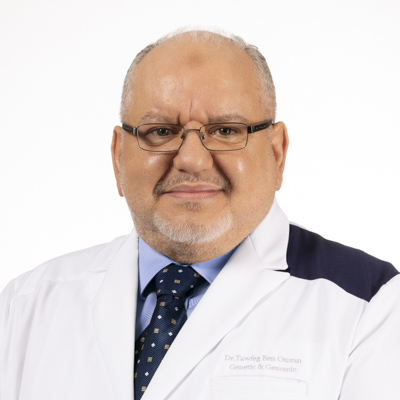
Prof. Tawfeg Ben Omran, Division Chief of Genetics and Genomic Medicine at Sidra Medicine, said: “For decades, spinal muscular atrophy was considered a relentlessly progressive disease with limited treatment options. Gene therapy is changing that reality by allowing us to move beyond managing symptoms and toward addressing the disease at its genetic source. Through comprehensive genetic evaluation, careful patient selection, and long-term multidisciplinary follow-up, we are helping redefine what is possible for patients living with rare genetic disorders. Using interventional radiology for precision intervention, places Sidra Medicine as one of the first pediatric hospitals in the world to adopt this approach, especially with patients with complex spinal anatomy.”
Advancing the Future of Precision Medicine
The administration of ItvismaTM further strengthens Sidra Medicine’s position as a regional center for advanced therapies, precision medicine, and rare disease care. By combining specialized clinical expertise, genetics and genomic medicine, advanced interventional capabilities, and coordinated multidisciplinary care, Sidra Medicine continues to expand treatment options for patients in Qatar and across the Middle East and North Africa. For international patient inquiries, patients and families can visit the Sidra Medicine website www.sidra.org.
Related Doctors

Our Insurance Partners
Our Insurance Partners