Sidra Medicine Concludes MENA Microbiome 2026 urging stronger collaboration on translating clinical discoveries into clinical applications
Last day featured discussions on gut-organ interactions, rapid metagenomics, and antimicrobial resistance, alongside a Sidra Medicine-led research collaboration aimed at advancing early sepsis prediction and patient care in Qatar
Doha, Qatar – 18 October 2026: Sidra Medicine concluded the last day of MENA Microbiome 2026 with a call to action for stronger collaborative efforts to translate microbiome discoveries into clinical applications to improve disease diagnosis, treatment, and patient outcomes.
The day’s program focused on cutting-edge discoveries in gut-organ interactions, advances in rapid metagenomics, antimicrobial resistance, and new approaches to sepsis prediction and management.
The day’s official opening featured addresses by Mr. Mohammed Khalid Al Mana, Acting Chief Executive Officer and Member of the Board of Governors at Sidra Medicine; Professor Ibrahim Janahi, Chief Medical Officer; and Professor Khalid Fakhro, Chief Research Officer. The speakers emphasized the importance of strengthening scientific collaboration, supporting research innovation, and accelerating the translation of scientific discoveries into improved patient care.
The opening ceremony was attended by H.E. Buthaina bint Ali Al Jabr Al Nuaimi, Minister of Social Development and Family, alongside senior dignitaries, representatives of healthcare and research institutions, and international scientific experts.
Mr. Mohammed Khalid Al Mana, Act. CEO and Member of the Board of Governors at Sidra Medicine said: “At Sidra Medicine, we believe that the future of medicine depends not only on discovering new knowledge, but also on our ability to translate that knowledge into a meaningful impact on patients and communities. Through this conference, we aim to strengthen scientific collaboration across our region, encourage young researchers, and create opportunities for partnerships that can advance innovative healthcare solutions. Furthermore, I would like to extend my sincere gratitude to our Strategic Sponsor, the Ministry of Public Health of the State of Qatar, for its support and patronage of MENA Microbiome. This partnership reflects our shared commitment to research, innovation, and collaboration in pursuit of a healthier and more sustainable future for Qatar and the region.”
Professor Khalid Fakhro, Chief Research Officer at Sidra Medicine, said: “Conferences like MENA Microbiome 2026 are critical to establishing a strong dialogue across the multifaceted role of research being translated into clinical care – from the bench to the bedside and back to the bench. I am confident that through this approach and multidisciplinary collaboration, we can actively contribute to a healthier future for generations to come.”
Day Two Highlights: From Microbiome Discoveries to New Clinical Opportunities
A keynote presentation by Dr. Jacques Ravel, examined advances in understanding the microbiome and its role in women’s reproductive health. It also highlighted emerging opportunities to develop targeted interventions that could improve reproductive and gynecological health.
Scientific sessions focused on cutting-edge discoveries in the gut-organ axis, examining how interactions between the gut microbiome and different organs may influence disease development and progression. Discussions addressed the growing evidence linking microbial communities to neurological, kidney, and gastrointestinal conditions, and how understanding these relationships could contribute to identifying new biomarkers and developing more personalized treatment approaches.
Another major focus was rapid metagenomics, antimicrobial resistance, and the future of sepsis management. Researchers discussed how advanced sequencing technologies could help identify infectious pathogens and characterize antimicrobial resistance more rapidly, supporting timely clinical decisions and more targeted treatment for critically ill patients.
These discussions reflected the conference’s broader emphasis on moving beyond scientific discovery to identify practical applications of microbiome research in disease prevention, diagnosis, and treatment.
Panel Session: Bridging the Gap Between Research and Clinical Practice
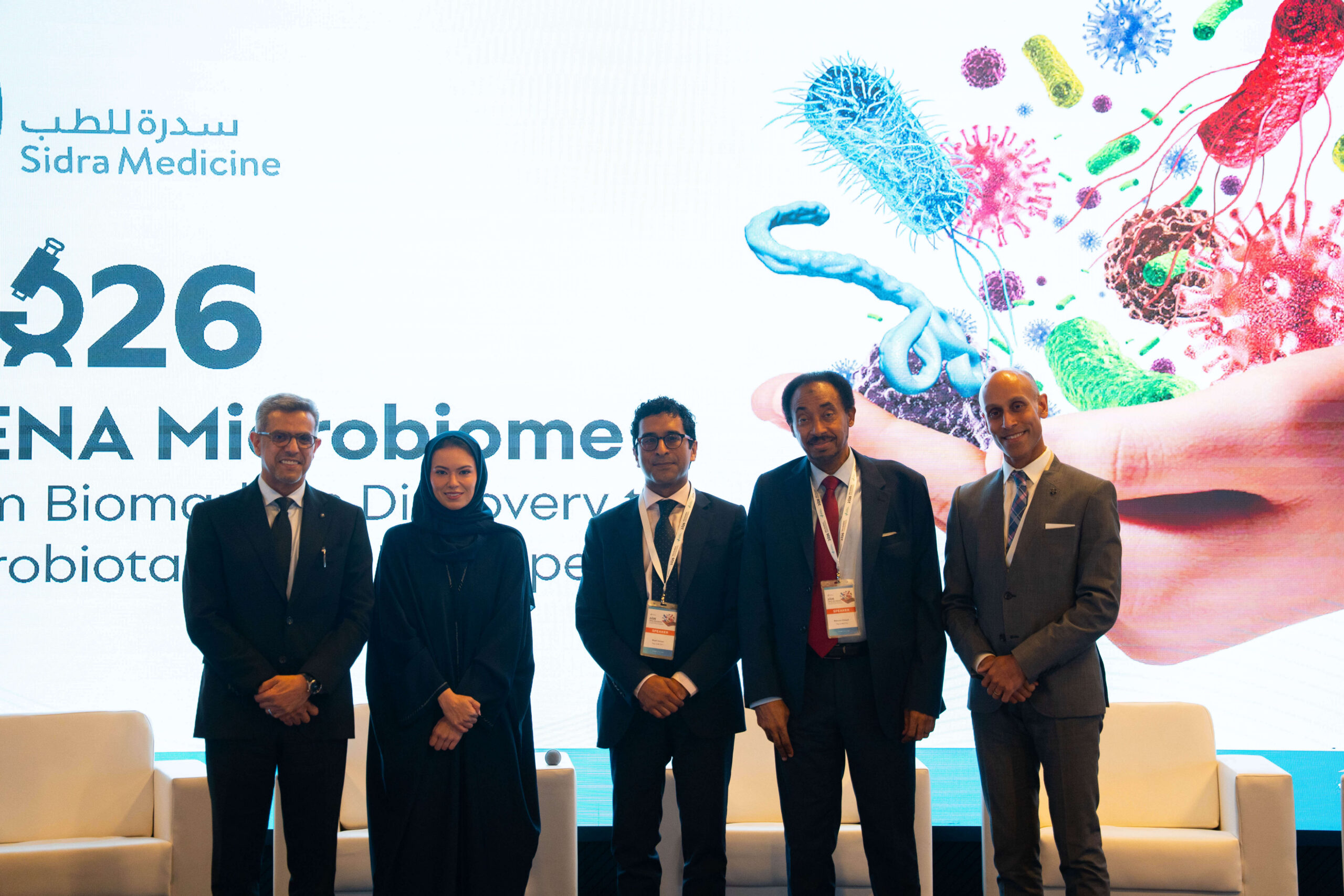
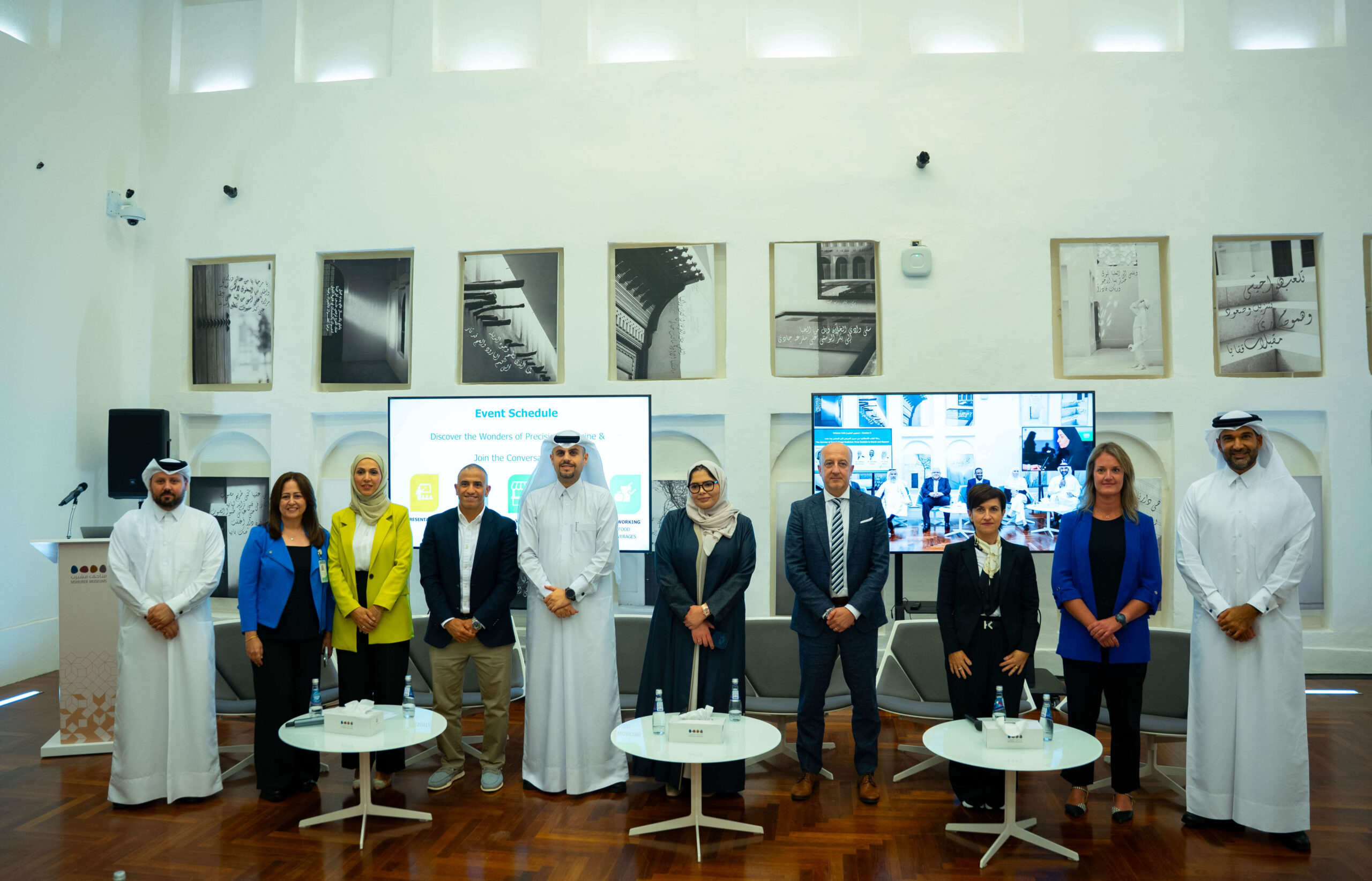
Panel Session
A key highlight at MENA Microbiome 2026 was the panel discussion, “Microbiome and Metagenomics: How to Move from Research to Clinical Implementation,” featuring Dr. Majdi Osman, Dr. Nikhil Pai, Dr. Mamoun Elawad, and Dr. Sara Abdullah. The panel session was moderated by Professor Hilal Lashuel, Research Development and Innovation Advisor to the Chairperson of Qatar Foundation.
Dr. Mamoun Elawad, Chief of Pediatric Gastroenterology at Sidra Medicine said: “Our discussion today puts the spotlight on a very important collaboration in the path towards personalized medicine – how translational research and clinical care need to be aligned to ensure safe and successful patient outcomes. We hope this become the benchmark for healthcare and research organizations worldwide. I am very proud of our clinic’s efforts at Sidra Medicine where this has become the reality and part of our personalized approach to care for each of our patients.”
Through practical examples and current research findings, panelists considered the steps needed to turn complex biological data into reliable tools that could support more precise and individualized patient care.
Sidra Medicine Leads Collaborative Research to Advance Sepsis Prediction and Treatment in Qatar
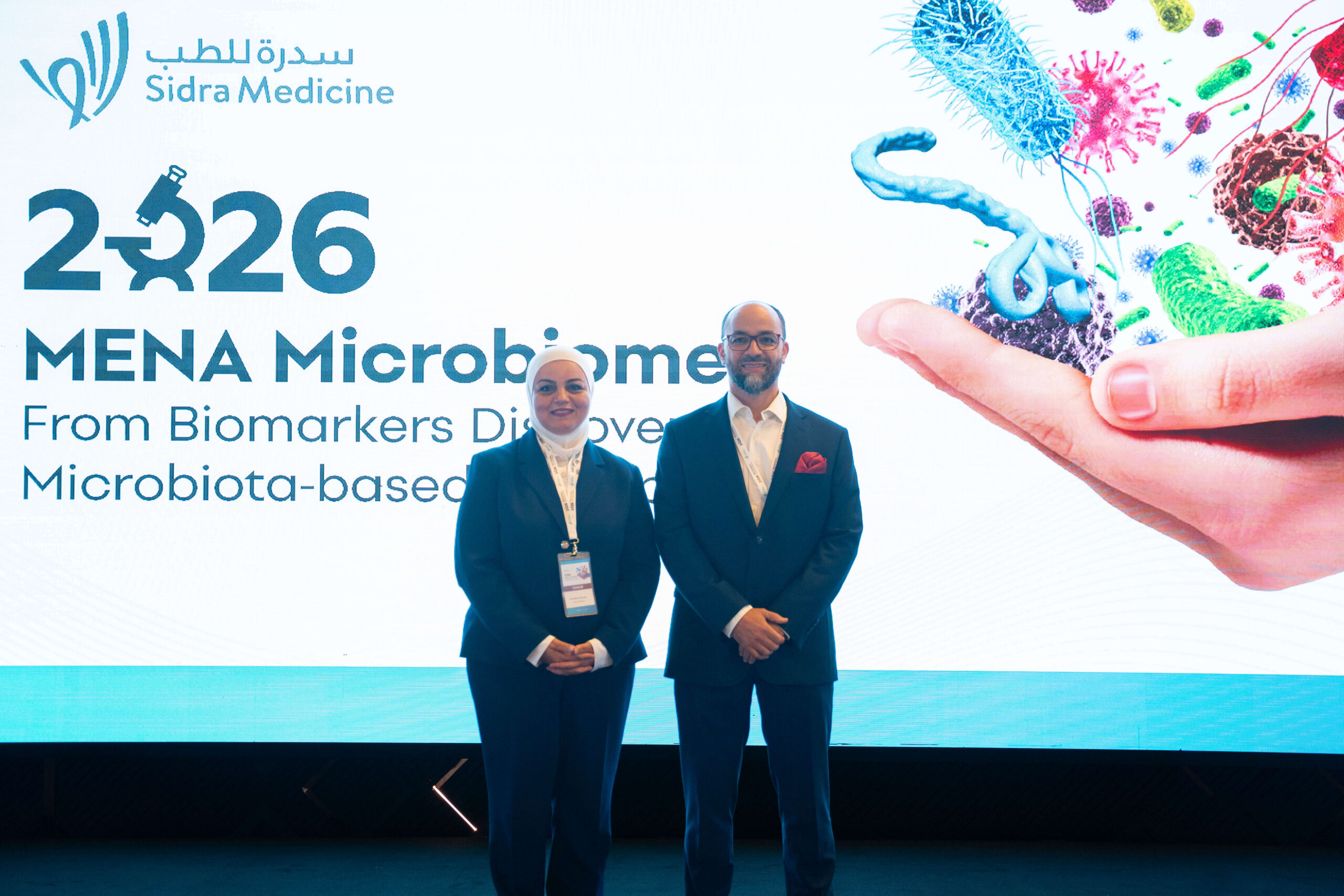
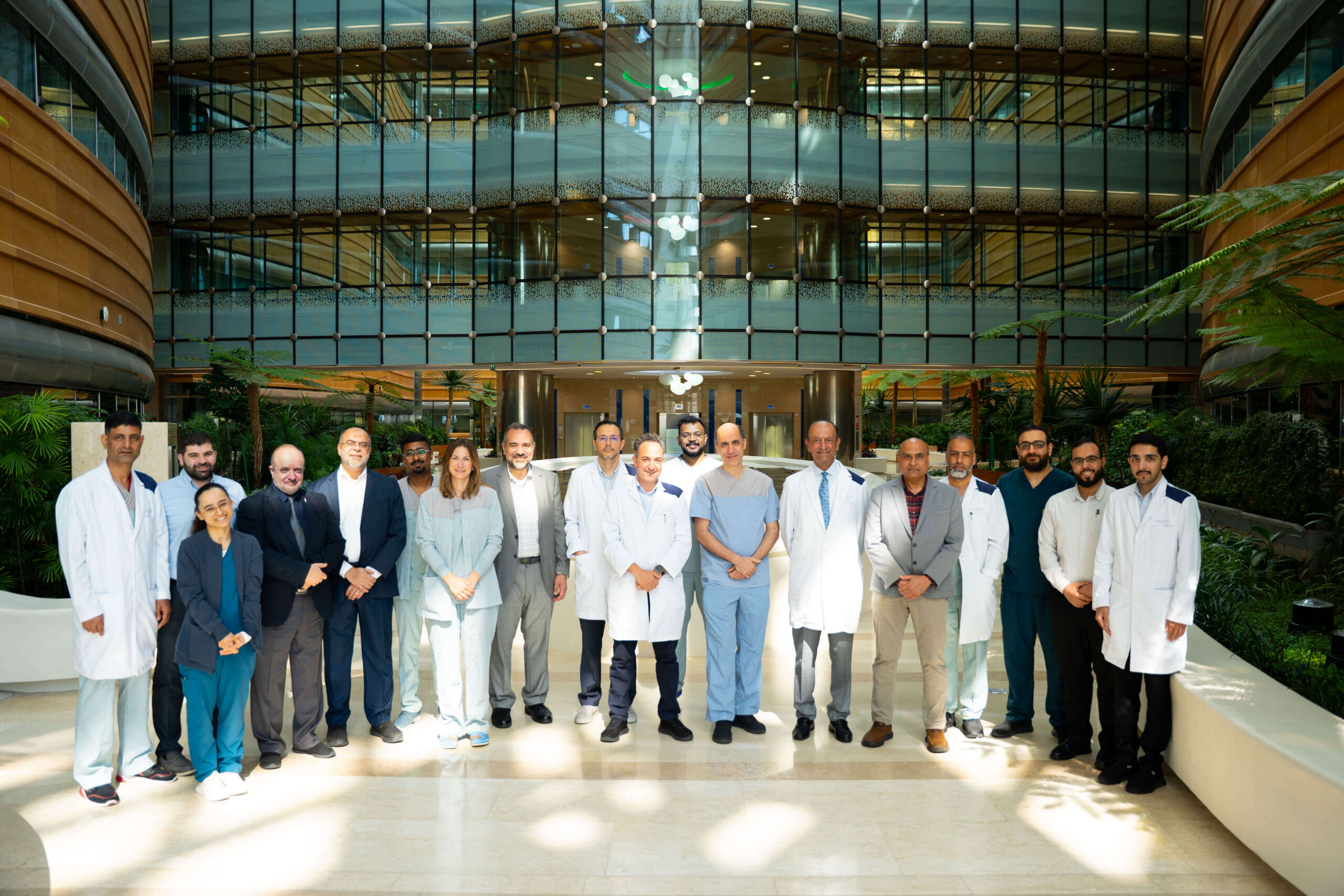
Dr. Souhaila Al Khodor and Dr. Ali Ait Hssain for the joint Sepsis study
The conference also highlighted an ongoing multi-institutional research collaboration led by Sidra Medicine, in collaboration with Hamad Medical Corporation (HMC) and Weill Cornell Medicine–Qatar, aiming at improving the early prediction and management of sepsis in critically ill patients.
Funded by the Qatar Research, Development and Innovation Council (QRDI) under its ARG1 funding call, the study is establishing a sepsis biorepository using samples collected from critically ill patients admitted to intensive care units at HMC. The study is actively recruiting patients and uses advanced metagenomic sequencing and proteomics to investigate biological indicators associated with sepsis and characterize antimicrobial resistance profiles.
Sepsis is a life-threatening condition that occurs when the body’s response to an infection causes organ dysfunction. Early identification and timely treatment are critical to reducing the risk of serious complications, including septic shock and organ failure.
The research aims to identify patients at high risk of developing sepsis before the condition occurs. By combining molecular data with rapid metagenomic analysis and antimicrobial resistance profiling, the study could help clinicians recognize early warning signs, initiate timely interventions, and make more informed treatment decisions.
Dr. Souhaila Al Khodor, Lead Principal Investigator of the study at Sidra Medicine and Conference Co-Chair, said: “One of the greatest challenges in managing sepsis is identifying patients at risk before their condition deteriorates. Through this collaboration, we are investigating how metagenomics and proteomics can help us recognize early biological changes to predict sepsis and better understand antimicrobial resistance. Our goal is to generate evidence that could support earlier clinical interventions and more targeted treatment, ultimately improving outcomes for critically ill patients in Qatar.”
Dr. Ali Ait Hssain, Director of Critical Care from Aisha bint Hamad Al Attiyah Hospital said: “Sepsis demands urgent treatment, yet identifying the microorganism responsible remains a major challenge. This reality is what inspired the collaboration to bring together the clinical experience from Hamad Medical Corporation and metagenomics expertise at Sidra Medicine. It is an encouraging example of institutional collaboration, linking bedside needs with advanced research. Together, we are investigating whether metagenomics can help identify the causes of infection earlier and support more targeted treatment, with the goal of improving outcomes for critically ill patients.”
The collaboration brings together Sidra Medicine’s research capabilities, HMC’s clinical expertise and access to critically ill patient populations, and the academic and scientific expertise of Weill Cornell Medicine–Qatar. By combining these strengths, the study aims to generate evidence that could contribute to improved sepsis prediction and management, while supporting Qatar’s broader efforts to advance precision medicine and evidence-based healthcare.
Strengthening Scientific Collaboration and the Future of Precision Healthcare
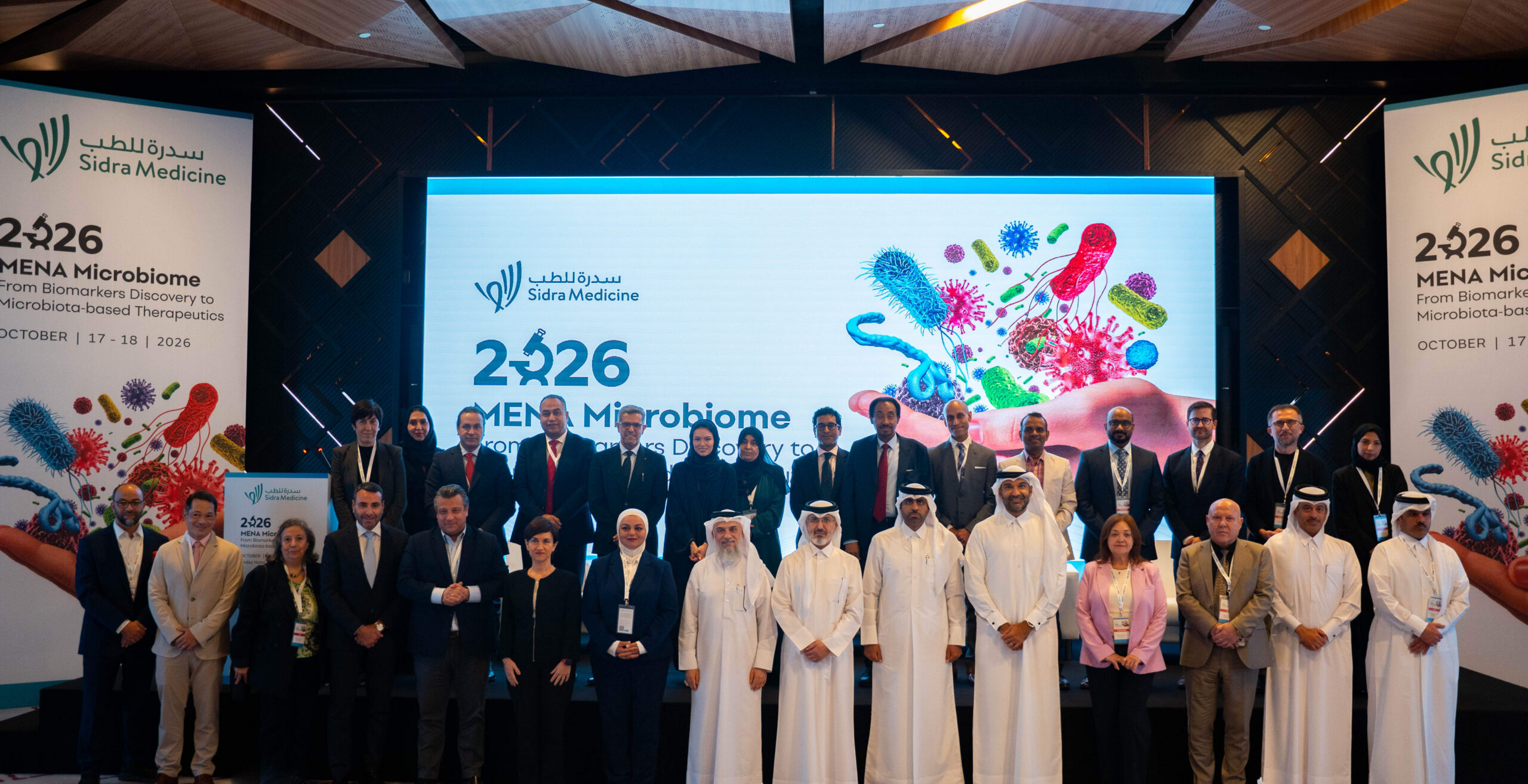
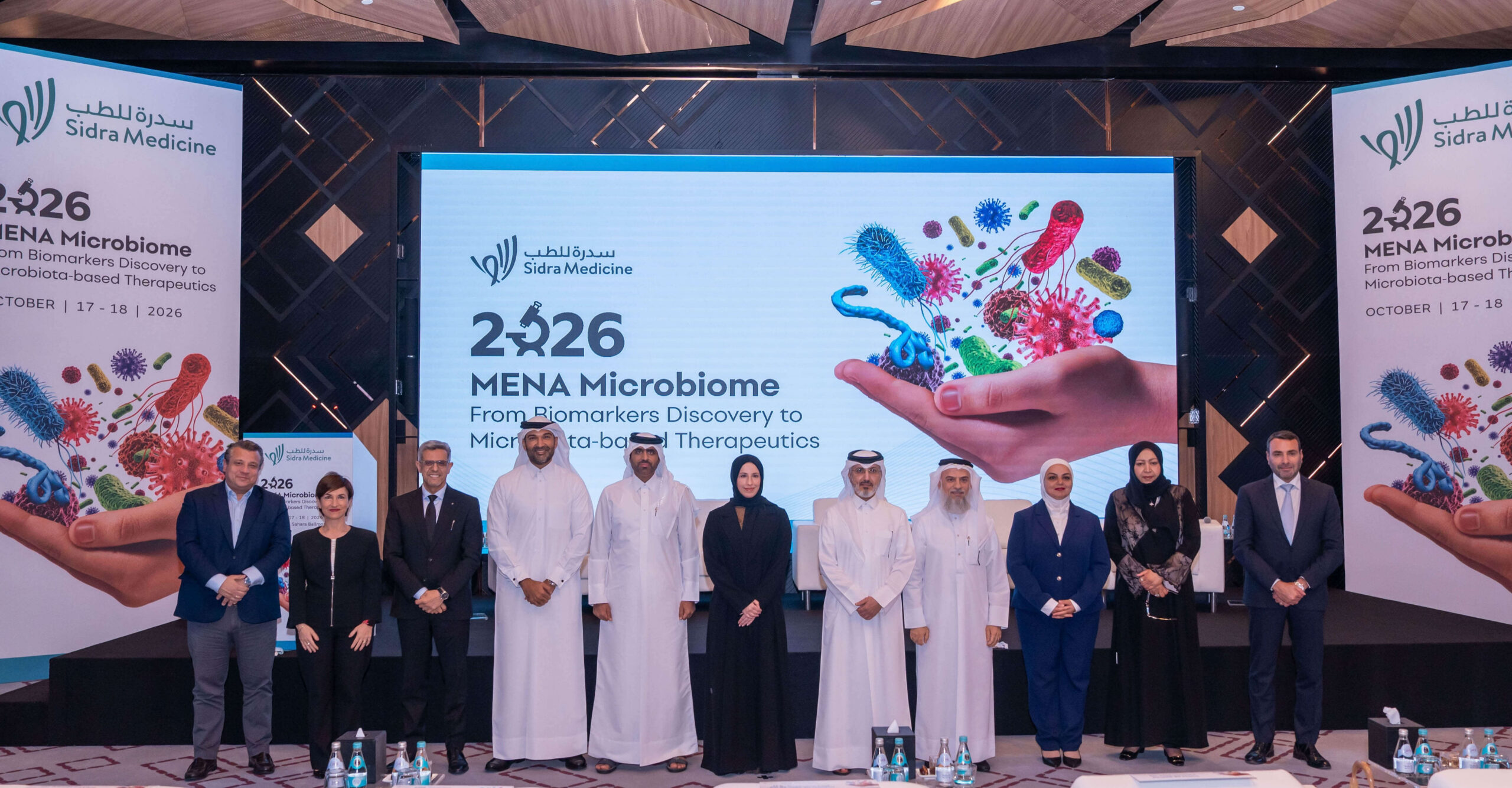
Sidra Medicines Executive Leaders, alongside Senior Dignitaries, Conference Chairs, Speakers and Moderators
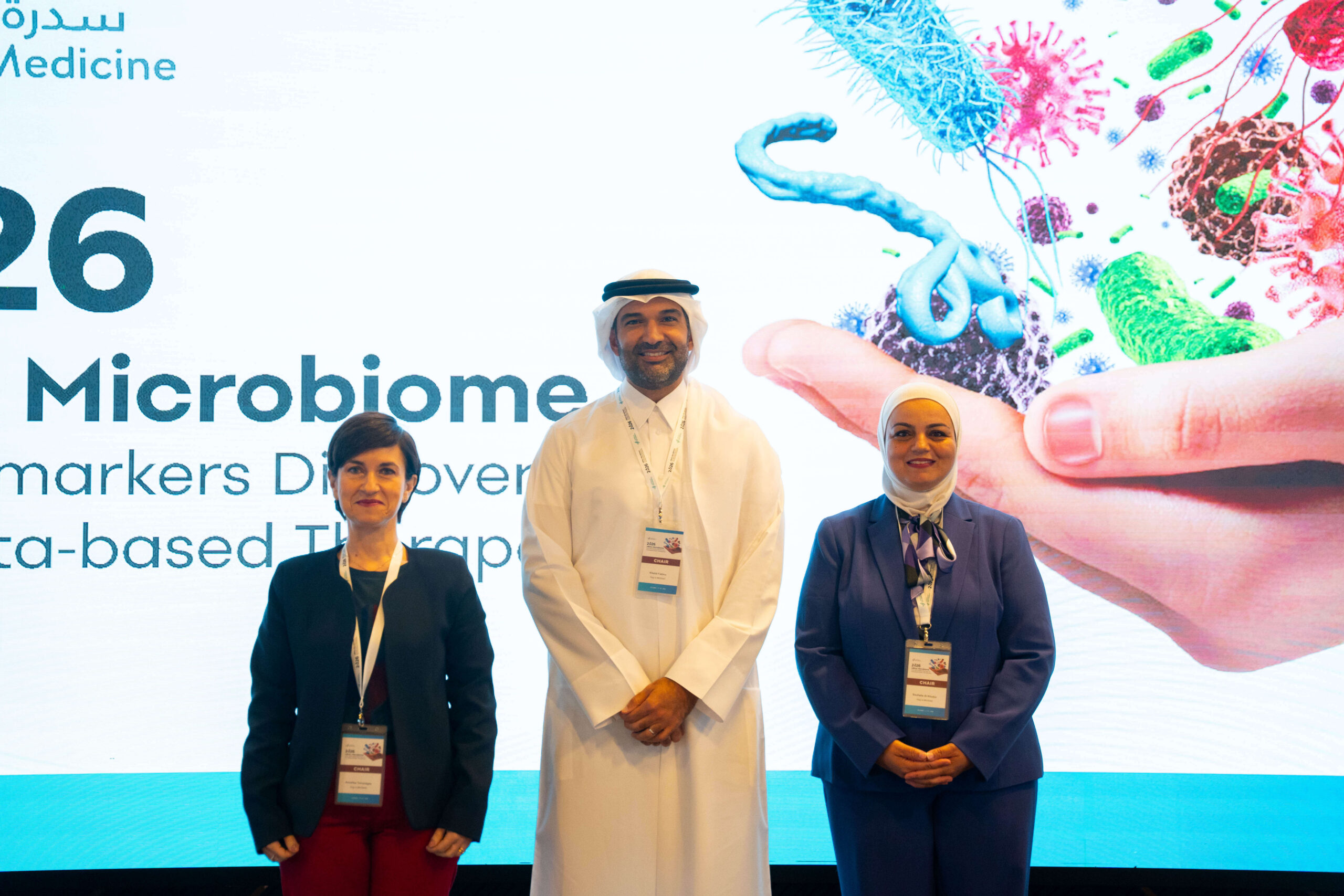
As the MENA Microbiome 2026 concluded, its Co-Chairs, Dr. Souhaila Al Khodor and Dr. Annalisa Terranegra, emphasized the importance of continued collaboration between researchers, clinicians, and healthcare institutions to accelerate the translation of microbiome discoveries into clinical applications.
The two-day conference reinforced Qatar’s growing role in advancing biomedical research and fostering scientific collaboration across the region and internationally. By bringing together experts from different disciplines, the event highlighted the potential of microbiome science to contribute to more precise diagnostics, personalized treatment strategies, and improved patient outcomes.
Building on this commitment to scientific innovation, Sidra Medicine looks forward to hosting the 12th edition of its Precision Medicine and the Future of Genomics (PMFG) Summit 2026 from 7 to 9 December. PMFG Summit 2026, will bring together leading international experts, researchers, and healthcare professionals to discuss advances in genomics, multi-omics, and precision medicine, with a focus on translating scientific discoveries into clinical practice. The event will provide a platform for knowledge exchange, research collaboration, and discussions on the future of personalized and preventive healthcare.



Our Insurance Partners
Our Insurance Partners