4th Surgical Annual Research Day (SARD)

4th Surgical Annual Research Day (SARD)
Register Now Abstracts Submissions
  • 5 February 2026
  • 07:00 AM to 4:00 PM
  • Sidra Medicine Main Auditorium and MS Live Events
Target Audience

Overview

The acronym SARD in Arabic means “narrating” and is meant to represent the exchange of information.

Now in its fourth year, Sidra Medicine’s Surgical Annual Research Day (SARD) 2026 is a multidisciplinary effort to share our work around clinical research.

Conference Objective

  • Describe the current status of research in pediatric surgical subspecialties locally and internationally.
  • Outline available resources for clinical research and quality improvement projects.
  • Explain the processes required to conduct research or a quality improvement project.
  • Appraise and evaluate the selected presented research and quality projects that have been conducted.
  • Create an annual gathering to allow the exchange of valuable information from research and quality projects in surgery.

Target Audience

  • Physicians
  • Nurses
  • Allied Health
  • Dentists
  • Students /Trainees

PROGRAM BROCHURE

Time Session Title/Topic Session-Specific Learning Objectives
By the end of the session, participants will be able to:
07:00 – 08:00 Registration
08:00 – 08:15

0.25 hrs

Opening remarks

Dr. Mansour Ali / Dr. Noora Al Shahwani

  • Identify the key event components and recall the purpose of the day’s agenda and thematic focus.
  • Explain Sidra Medicine’s progress and describe the current registry data available.
  • Relate past SARDS statistics and outcomes (themes, attendance, collaborations, presentations) to the event’s current objectives.
  • Compare trends from previous SARDS events to this year’s focus areas to identify patterns of improvement and collaboration.
  • Assess how the highlighted achievements and registry advancements reflect Sidra’s strategic direction and research impact.
  • Contribute to a sense of collective engagement by formulating informed questions or reflections leading up to the presentation of the Dr. Mike Levis Award.
08:15 – 08:35

0.25 hrs

Keynote Lecture: “Health Economics in Surgery”

Speaker: Dr. Mohammed Fasihul Alam

Associate Professor of Public Health (Health Economics) – Qatar University

  • Understand the principles of health economics in surgery, including cost-effectiveness, value-based care, and decision-making in resource-constrained settings.
8:35 – 9:00

0.50 hrs

Cost-Effectiveness in a healthcare setting

Speaker: Prof. Khaled Al-Surimi, PhD, MSPH
Department Head, Healthcare Management
University of Doha for Science & Technology

  • Understand how to apply cost-effectiveness in surgical settings.
  • Recognize the link between improved clinical outcomes and cost savings.
  • Apply strategies for integrating economic evaluation into QI project design.
9:05 – 9:50

0.75 hrs

Research Selected Podium Presentations

Panel of Judges:

  • Dr. Tariq Abbas
  • Dr. Sonia Davila
  • Dr. Khalid Al Kharazi

Q&A of 10 minutes

  • Critically engage with and evaluate research findings presented during the discussion
9:50-10:05 Coffee Break
10:05 – 10:20

0.25 hrs

Applied health economics: Cost Implications of Magnet Ingestion in Children

 Speaker: Dr. Noora Al Shahwani
Attending Surgeon, General & Thoracic Surgery, Sidra Medicine

  • Examine key obstacles to applying health economic principles in surgical care.
  • Identify strategies for adapting best practices to the local context.
10:20 – 10:45

0.5 hrs

Towards Universal Health Coverage: An Overview of Key Health Financing Strategies for Equity and Efficiency

 Speaker: Dr. Ozcan Ozturk – Associate Professor for Applied Economics, HBKU

  • Teach participants practical methods for sustainability and cost–utility analysis.
  • Demonstrate application in surgical research and quality projects.
10:45-11:00

0.25 hrs

Q&A for Session 1:

  • Keynote Lecture: “Health Economics in Surgery”
  • Cost-Effectiveness in a healthcare setting
  • Applied health economics: Cost Implications of Magnet Ingestion in Children
  • Towards Universal Health Coverage: An Overview of Key Health Financing Strategies for Equity and Efficiency

Panel:

  1. Dr. Mohammed Fasihul Alam
  2. Prof. Khaled Al-Surimi
  3. Dr. Noora Al Shahwani
  4. Dr. Ozcan Ozturk
  • Analyze the role of health economics in surgical decision-making across cost-effectiveness, financing, and policy perspectives.
  • Evaluate the implications of applied health economics case studies, such as the cost burden of magnet ingestion in children, for prioritizing resource allocation and efficiency.
  • Synthesize insights from keynote and panel discussions to formulate context-specific strategies that promote equity and sustainability in surgical services within the Qatari healthcare system.
11:00-12:00

1 hrs

Quality Improvement Selected Podium Presentations

 Panel of Judges:

  1. Dr. Abdelsalam Hegazy
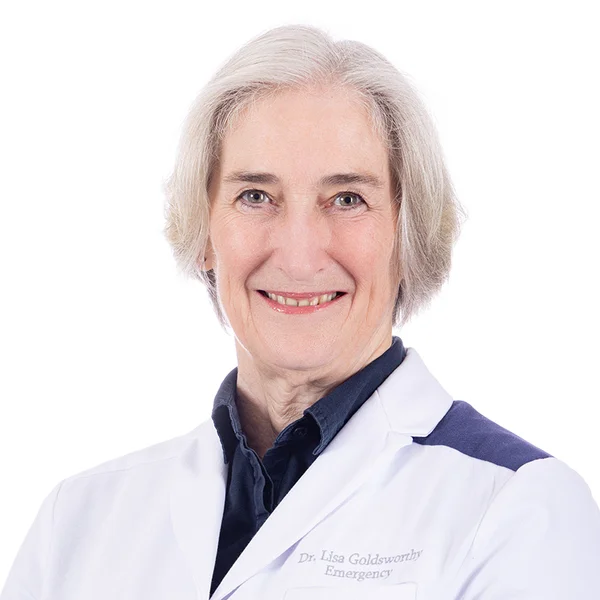
  2. Dr. Lisa Goldsworthy
  3. Mr. Rami Mchawrab

 Q&A of 10 minutes

  • Analyze real-world quality improvement initiatives within the surgical department, and evaluate their outcomes to formulate strategies that enhance patient care and safety.
12:00 – 12:50 Lunch Break
12:50-13:20

0.5 hrs

Research and QI Selected Poster presentations and discussions

 Panel of Judges:

  • Dr. Tariq Abbas
  • Dr. Abdelsalam Hegazy
  • Dr. Noora Al Shahwani

 Q&A of 10 minutes

  • Understand the research methodologies used, evaluating the significance of the results, and identifying potential implications for clinical practice and future research
  • Participate in Q&A sessions and discussions related to the poster presentations
13:20 – 13:45

0.5 hrs

Panel Discussion: “Sidra OR: Is it a Revenue Center or a Cost-Center?”

Panelists:

  1. Dr. Santiago Vallasciani
  2. Mr. Wadah Al Mansoori – Operations
  3. Mr. Mohamed Hirsi – Finance Business Partner

 Moderator: Dr. Abdelsalam Hegazy

 Q&A of 5 minutes

  • Analyze key challenges and opportunities in surgical health economics and policy.
  • Compare local and global perspectives on financing, resource allocation, and value-based care.
  • Explore practical steps for integrating economic thinking into surgical practice.
13:45 – 14:15

0.5 hrs

Sharper Care, Smarter Spending: Practical Health Economics in the outpatient setting

 Speaker: Ms. Stephanie Fortunat

 Q&A of 10 minutes

  • Understand how economic considerations influence surgical practice and hospital purchasing decisions.
  • Identify strategies for surgeons to actively participate in cost management and value-based care.
  • Discuss current educational gaps and opportunities to enhance surgeon expertise in health economics.
  • Foster dialogue between clinical and administrative stakeholders for improved resource allocation.
14:15 – 14:45

0.5 hrs

Surgical Clinical Trial: What can we learn from this journey?

 Speaker: Dr. Ian Pople
Division Chief – Neurosurgery, Sidra Medicine

 Q&A of 10 minutes

  • Describe and explain the key stages and methodological components involved in designing and conducting a surgical clinical trial.
  • Understand the challenges and lessons learned throughout the clinical trial journey, including ethical, logistical, and data management aspects.
  • Apply trial design principles to evaluate potential improvements in future surgical research.
  • Analyze outcomes and decision-making processes to identify best practices that enhance trial quality and patient safety.
  • Evaluate the impact of collaborative research and evidence generation on surgical innovation and clinical practice.
  • Create strategies for integrating trial evidence into clinical pathways and institutional quality improvement initiatives.
14:45 – 15:05 Coffee Break
15:05-15:30

0.5 hrs

Introduction to the Sidra Innovation Lab

 Speaker: Mariam Nofal
Specialist – Technology Transfer & Innovation, Sidra Medicine

 Q&A of 10 minutes

  • Describe the purpose, structure, and key functions of the Sidra Medicine Innovation Lab in advancing clinical and research innovation.
  • Understand how innovation processes, including idea incubation and technological prototyping, contribute to problem-solving in healthcare delivery and pediatric surgery.
  • Apply principles of innovation and translational research to propose practical solutions for identified clinical challenges.
  • Analyze examples of successful innovations to determine factors contributing to effective implementation and scalability.
  • Evaluate the potential impact of innovation lab outputs on patient outcomes, healthcare efficiency, and interdisciplinary collaboration.
15:30-16:00

0.5 hrs

Dr. Mike Levis Award for Best Research and QI Presentation

Our Doctors

Discover the specialty healthcare services that Sidra Medicine offers to women, children, and young people.

Children & Young People’s Services

Experience exceptional pediatric care at Sidra Medicine, delivered by a highly trained team.

Women’s Services

We believe women deserve exceptional, personalized care, delivered with compassion by our experienced team.