Pediatric Biobank
What is Biobank?
A biobank stores and documents a collection of biological samples for use in research. Your child’s samples can be used in a broad range of scientific research leading to breakthroughs in prevention, diagnosis, and treatment.
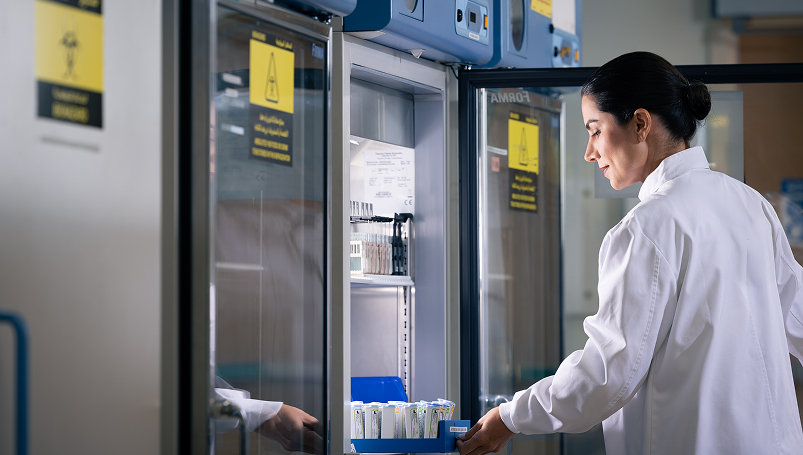
Samples
If your child has an operation, not all the tissue is needed for diagnosis. We would like to ‘bank’ the unused pieces and use them for research. Similarly, if your child is having a biopsy or some blood taken, we would like to take a little bit more for a biobank.
Sometimes, we may also ask for saliva, urine, or stool samples. We use these samples in many different projects, so would like to keep them until they run out, which could be more than 20 years.
What do we Ask of you?
Participation is completely voluntary, and your decision will not affect your child’s clinical care in any way. Also, if you change your mind, you are free to withdraw your consent at any time and we will dispose of any samples we may still have in the biobank. By joining, you can help us better understand diseases that affect you, your child, as well as future generations.
Information
We would also like to collect information about your child and his/ her medical conditions such as age, gender, ethnicity, past and present medical history, to add to the biobank database. We can then identify patients who have similar diseases or have been treated in a similar way. You will receive more detailed information about the specific Biobank that applies to you when you choose to take part and will have an opportunity to ask questions to your physician and study coordinator.
Privacy
Biobanks are not allowed to store identifiable information. To protect your privacy, your samples will be coded with a barcode instead of your name. Your personal identifiers like Name, Medical Record Number, Health Card number and anything else that could identify you will be removed. Data is shared with researchers only after the ethical board reviews their scientific intentions.
How does a Biobank Support Research?
The same disease can affect individuals in various ways, with some responding better to treatment than others. Scientists need to study tissue, blood, urine, and other samples from people with different ethnic and cultural backgrounds if they are to help all patients. By using research biobanks, scientists can quickly access many samples and information from the local patient population.
Contributing to biobanks is often a rewarding and empowering individual experience. It brings about feelings of hope that are associated with generous commitment to research and creates a bond of solidarity with researchers and clinicians. Importantly, it values biological specimens.
Consent form
After expressing interest in participation, you will be asked to complete a parental permission form and your child may be asked to fill an assent form (if your child is above 7 years old and you agree with this), which will allow us to collect samples and data for research.
Our Insurance Partners
Our Insurance Partners