Khalid Hussain
MBBS, MD, MRCP, MRCPCH, MSc
Senior Attending Physician
Years of Experience: 32
Professor Khalid Hussain is a Senior Attending Physician in the Division of Pediatric Endocrinology at Sidra Medicine, where he provides tertiary and quaternary care for infants, children, and adolescents with complex endocrine disorders. His clinical practice focuses on disorders of hypoglycemia and rare and complex forms of diabetes, including congenital hyperinsulinism, neonatal diabetes, monogenic diabetes, and challenging cases of type 1 and type 2 diabetes. He leads multidisciplinary clinical services, develops innovative clinical pathways, and is committed to delivering precision medicine through the integration of advanced diagnostics, genomic technologies, and emerging diabetes therapeutics. In addition to his clinical responsibilities, Professor Hussain mentors trainees and junior faculty, leads clinical and translational research programmes, and contributes to medical education, quality improvement, and international collaborations aimed at advancing the care of children with endocrine and metabolic diseases.
At Sidra Medicine, Professor Hussain leads a research programme focused on the epidemiology, molecular genetics, and pathophysiology of childhood diabetes, obesity and disorders of glucose homeostasis. His research is supported by competitive funding from the Qatar National Research Fund (QNRF) and the Sidra Internal Research Fund (SIRF). An internationally recognized authority in childhood hypoglycemia and rare forms of diabetes, Professor Hussain has authored more than 400 peer-reviewed publications in leading medical and scientific journals, including The New England Journal of Medicine, Science, Nature Genetics, Cell Metabolism, EMBO Journal, Journal of Clinical Investigation, Proceedings of the National Academy of Sciences (PNAS), Human Molecular Genetics, American Journal of Human Genetics, Diabetes, Diabetologia, and The Journal of Clinical Endocrinology & Metabolism.
Before joining Sidra Medicine, Professor Hussain was the GOSH Children’s Charity Professor of Paediatric Metabolic Endocrinology at the UCL Great Ormond Street Institute of Child Health and an Honorary Consultant Paediatric Endocrinologist at Great Ormond Street Hospital for Children, London UK. He graduated in Medicine from the University of Glasgow and completed specialist training in neonatology, metabolic medicine, and paediatric endocrinology at Great Ormond Street Hospital, London, and Monash Medical Centre, Melbourne, Australia.
Read more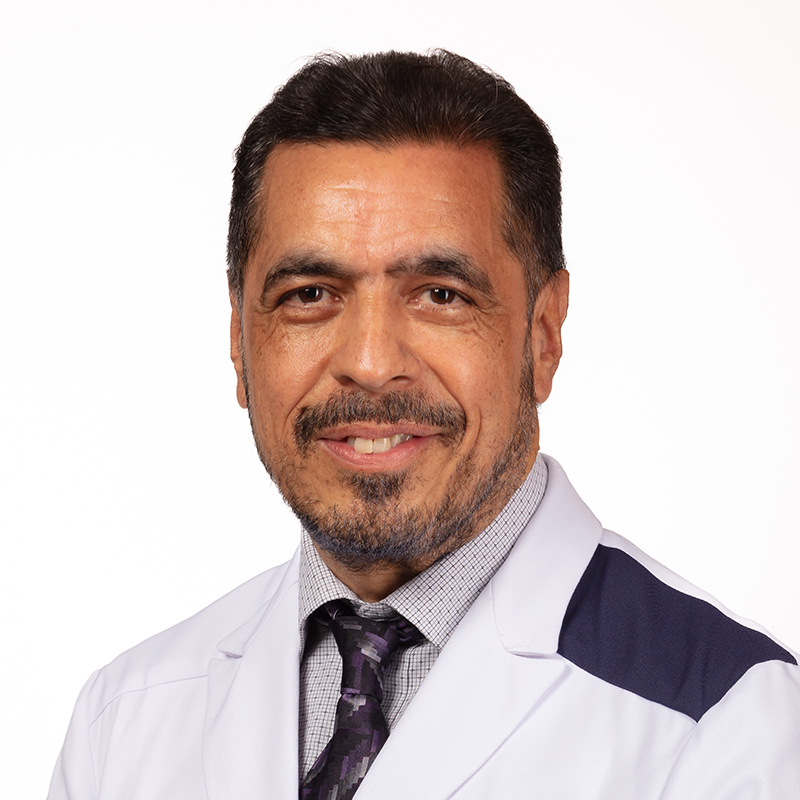
- English
- Urdu
- Glasgow University, Scotland UK
- Great Ormond Street Children’s Hospital
- Monash Medical Center, Melbourne
- Great Ormond Street Hospital Children’s Charity
- Hypoglycemia
- Diabetes mellitus
- Early onset obesity
- Haris B, Mohammed I, Al-Khawaga S, Hussain K. Homozygous Insulin Promotor Gene Mutation Causing Permanent Neonatal Diabetes Mellitus and Childhood Onset Autoantibody Negative Diabetes in the Same Family. Int Med Case Rep J. 2022 Feb 1;15:35-41. doi: 10.2147/IMCRJ.S349424. PMID: 35140529; PMCID: PMC8819275.
- Petrovski G, Al Khalaf F, Campbell J, Day E, Almajaly D, Hussain K, Pasha M, Umer F, Hamdan M, Khalifa A. Successful transitioning children and adolescents with type 1 diabetes from multiple daily injections to advanced hybrid closed-loop system in 10 days: a prospective intervention study on MiniMed 780G system. Acta Diabetol. 2022 Jan 24. doi: 10.1007/s00592-022-01851-w. Epub ahead of print. PMID: 35072781.
- Haris B, Mohammed I, Syed N, Fakhro K, Hussain K. Maturity-onset diabetes of the young (MODY) due to PDX1 mutation in a sib-pair diabetes family from Qatar. Clin Case Rep. 2021 Dec 11;9(12):e05141. doi: 10.1002/ccr3.5141. PMID: 34938542; PMCID: PMC8665722.
- Ahmed SM, Haris B, Saraswathi S, Elawwa A, Khalifa A, Al-Maadheed M, Abdel‑Karim T, Hamed N, Afyouni H, Dauleh H, Shamekh A, Al‑Zyoud M, Al-Khalaf F, Petrovski G, Hussain K. The epidemiology, clinical, biochemical, immunological and radiological features of youth onset type 2 diabetes mellitus in the state of Qatar. Diabetology International https://doi.org/10.1007/s13340-021-00548-9.
- Ochoa F, Poggi H, De Toro V, Mendoza C, Hussain K. Facial dysmorphic features in a patient with non-ketotic hypoglycemia and a pathogenic variant in the AKT2 gene. AACE Clinical Case Reports (2021), doi: https://doi.org/10.1016/j.aace.2021.11.006.
- Henning Anderson Prize (2nd author) European Society of Pediatric Endocrinology (ESPE) 2016
Clinics & Services

Doctor's News
Our Insurance Partners
Our Insurance Partners