Congenital Malformations Program
The mission of the Congenital Malformations Translational Research Program (CM-TRP) is to integrate clinical care, genomics, and functional biology to improve diagnosis today and enable therapies tomorrow for children affected by congenital anomalies.
The program’s vision is to establish Sidra Medicine as a regional and international leader in precision medicine for congenital malformations by translating genetic discovery and disease mechanisms into advanced diagnostics, personalised therapies, and improved lifelong outcomes for affected children and families.
The CM-TRP addresses a critical unmet need by systematically linking patient cohorts, deep phenotyping, multi-omics, and functional disease models within a unified translational framework.

Strategic Pillars and Themes
The CM-TRP is structured around four integrated strategic pillars aligned with Sidra Medicine’s precision medicine mission:
- Screening and Early Detection: Development of population-relevant screening initiatives using genomics, imaging, and clinical data to identify congenital anomalies early and improve intervention timing.
- Biorepositories and National Resources: Creation of high-quality, consented biorepositories linked to richly annotated clinical registries, enabling long-term translational research and collaboration.
- Advanced Diagnostics: Implementation of next-generation genomic, molecular, and AI-supported diagnostic approaches to increase diagnostic yield and patient stratification.
- Personalized Therapies: Translation of molecular insights into preclinical models, targeted therapies, surgical innovation, and clinical trials tailored to individual disease mechanisms.
The CM-TRP is anchored by four primary Gold Cohorts, selected based on clinical impact, translational relevance, and strong multidisciplinary engagement at Sidra Medicine:
- Orofacial Clefts
- Congenital Heart Defects
- Spina Bifida
- Hypospadias
Each Gold Cohort is supported by dedicated clinical leadership, standardized recruitment and consent workflows, integrated patient registries, and linked biospecimen collection. These cohorts form the backbone of the program’s national resource for congenital malformations research.
In addition to the Gold Cohorts, the CM-TRP actively supports and integrates smaller and emerging cohorts, including but not limited to broad craniofacial anomalies, microtia and external ear malformations, congenital airway anomalies, and complex multisystem and syndromic malformations. These additional cohorts enable flexible hypothesis-driven research, rapid case aggregation for rare conditions, and cross-cohort discovery, ensuring that the program remains inclusive, scalable, and responsive to clinical need.
Discovery and Invention
The CM-TRP uses a modular discovery-to-translation pipeline that combines clinical insight with advanced experimental platforms.
Core Research Areas
- Gene discovery and rare disease genomics;
- Developmental biology and disease mechanisms;
- Genotype–phenotype correlation;
- Natural history and disease progression;
- AI-enabled phenotyping and outcome prediction.
Experimental Platforms
- Whole-genome and whole-exome sequencing;
- Long-read sequencing;
- Transcriptomics and methylation profiling;
- Deep clinical and imaging phenotyping;
- Zebrafish and cell-based disease models;
- iPSC-derived functional systems;
- Integrated bioinformatics and AI pipelines.
This approach enables the identification of novel disease genes, the functional validation of pathogenic variants, and the discovery of actionable therapeutic targets.
Therapeutic Innovation
Therapeutic innovation within the CM-TRP spans preclinical development to early clinical trials, including:
- Functional validation of disease genes in animal and cellular models;
- AI-guided surgical planning and outcome assessment;
- Development of personalised therapeutic protocols;
- Gene-based and regenerative medicine approaches;
- Drug repurposing and targeted intervention strategies;
The program aims to deliver:
- Multiple preclinical studies across cohorts;
- Personalised therapeutic protocols;
- At least one investigator-initiated clinical trial;
- Integration of AI-assisted tools into clinical workflows.
Collaborations
The CM-TRP operates through a broad and active collaborative network that spans clinical care, translational research, and therapeutic innovation.
Internal collaborations include close partnerships with pediatric subspecialties across Sidra Medicine—such as surgery, cardiology, nephrology, neurosurgery, neonatology, genetics, and rehabilitation—and with institutional research platforms including the Zebrafish Core Facility, Genomics and Bioinformatics Cores, iPSC and functional biology platforms, biorepositories, and the Clinical Trials Office.
External collaborations are actively developed with national and international academic institutions, clinical research networks, and industry partners in genomics, diagnostics, digital health, and therapeutics. These partnerships support gene discovery, technology development, clinical trials, and training, while enhancing the program’s global visibility and translational impact.
The CM-TRP welcomes new collaborations with:
- Academic groups working in developmental biology, rare diseases, human genetics, and functional genomics;
- Clinical research teams seeking access to well-characterized pediatric cohorts and integrated registries;
- Industry partners interested in diagnostics, AI-enabled phenotyping, gene-based therapies, regenerative medicine, or drug repurposing;
- Technology developers in imaging, data science, and precision medicine platforms.
Interested in collaborating? Prospective collaborators are encouraged to engage with the program to explore joint projects, co-funded grants, shared trainee supervision, clinical trials and other translational opportunities that accelerate the path from discovery to patient benefit.
Leadership
Program Director
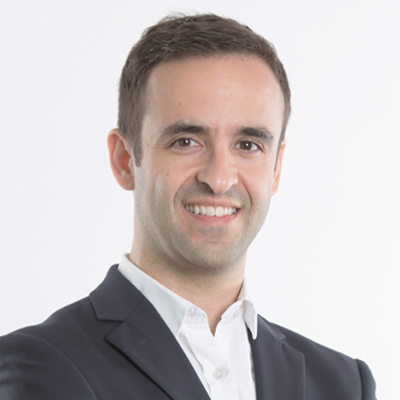
- Luis Saraiva, PhD, MBA
Clinical and Research Leadership Team
- Abubakr Imam, MD – Clinical Lead
- Noora Al-Shahwani, MD – Clinical Co-Lead
- Reem Hasnah, PhD – Research Co-Lead
The CM-TRP is led by an integrated clinical and research leadership team that works collaboratively across disciplines. Together, the team brings complementary expertise in translational genomics, functional biology, pediatric subspecialties, and clinical research governance, ensuring close alignment between discovery, diagnostics, and patient-centered care.




Our Insurance Partners
Our Insurance Partners


