الندوة الوطنية لطب الأطفال حول إنتان الدم 2026

- 22 أكتوبر 2026
- 7:30 صباحًا – 5:00 مساءً
- قاعة المؤتمرات – سدرة للطب
الجمهور المستهدف
تنزيل البرنامج الكامل
CPD Points : 8 hours
التسجيل المبكر
وفّر بالتسجيل قبل 22 سبتمبر 2026
يقتصر التسجيل في ورش العمل على 20 مقعدًا مجانيًا خلال فترة التسجيل المبكر. اختر ورشة عمل واحدة من ورش العمل الثلاث التي تُعقد في الوقت نفسه مع الجلسة الرابعة، والتي تركز على الإنتان لدى الفئات الخاصة.
نظرة عامة
التحول الأهم في الإنتان لدى الأطفال خلال جيل كامل — وما يعنيه ذلك لممارستك السريرية.
في يناير 2024، نُشرت معايير فينيكس للإنتان (Phoenix Sepsis Criteria) في مجلة JAMA، لتحل محل التعريف القائم على متلازمة الاستجابة الالتهابية الجهازية والذي استمر لما يقرب من عقدين من الزمن. تعيد معايير فينيكس تشخيص الإنتان بالابتعاد عن الأعراض الظاهرية مثل الحمى ومعدل ضربات القلب، لتضع التركيز الدقيق على المؤشرات الفعلية التي تتنبأ بالمضاعفات الخطيرة: اختلال وظائف الأعضاء المهدد للحياة عبر أربعة أجهزة — الجهاز التنفسي والجهاز القلبي الوعائي ومنظومة التخثر والجهاز العصبي. إن درجة فينيكس للإنتان البالغة 2 أو أكبر تحدد الإنتان؛ والدرجة الفرعية القلبية الوعائية البالغة 1 أو أكبر تحدد الصدمة الإنتانية. وقد تم التحقق من صحة هذه المعايير على مستوى العالم، وهي أكثر دقة وتحديدًا وقابلية للتطبيق سريريًا من أي معايير سابقة.
إلى جانب ما سبق، حدّثت إرشادات حملة النجاة من الإنتان لعام 2026 توصيات حزم الرعاية تحديثًا جوهريًا، بما يشمل الإنعاش بالسوائل وتوقيت إعطاء المضادات الحيوية والمراقبة الديناميكية الدموية وتصعيد العلاج؛ وهي تغييرات ذات آثار فورية على كل طبيب أطفال وممرض وصيدلي يمارس المهنة اليوم.
يستضيف سدرة للطب واضعي هذه الإرشادات ورواد تشخيص الإنتان من الجيل التالي في الدوحة ليوم كامل من الجلسات التي يقدمها الخبراء، ومناقشات الحالات الحية، وورش العمل التدريبية. وقد راجع سدرة للطب إرشاداته الخاصة بالإنتان لدى الأطفال مراجعة شاملة استجابةً مباشرةً لمعايير فينيكس وتحديث إرشادات حملة النجاة من الإنتان لعام 2026. سيغادر المشاركون الندوة ومعهم أداة الفحص المحدثة، والخوارزمية المنقحة لتدبير الإنتان، وخارطة طريق واضحة للتنفيذ.
أهداف المؤتمر
- شرح الدور والتطبيق السريري لأدوات الفحص المعتمدة للإنتان لدى الأطفال في التحديد المبكر للمرضى المعرضين للخطر.
- تطبيق مقياس “فينيكس” للإنتان (Phoenix Sepsis Score) لتقييم شدة المرض ودعم اتخاذ القرارات السريرية في الوقت المناسب لدى مرضى الأطفال المشتبه بإصابتهم بالإنتان.
- دمج أدوات الفحص، وتقييم الشدة (مقياس فينيكس)، ومسارات الإدارة العلاجية لدعم تقديم رعاية منسقة للإنتان وفي الوقت المناسب عبر مختلف بيئات الرعاية السريرية.
الفئة المستهدفة
- الأطباء
- الممرضون والممرضات
- الصيادلة
- ممارسو المهن الصحية المساندة
- أطباء الأسنان
المتحدثون الرئيسيون الدوليون
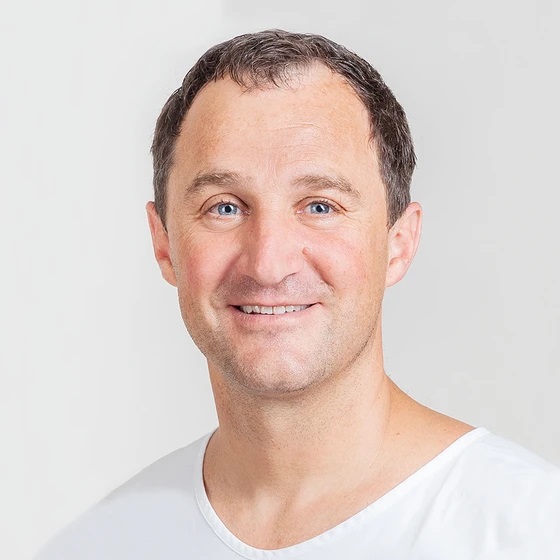
البروفيسور لوريجن شلاباخ
أستاذ العناية المركزة للأطفال، مستشفى الأطفال الجامعي في زيورخ، سويسرا
رئيس الشؤون العلمية في الجمعية الأوروبية للعناية المركزة للأطفال وحديثي الولادة · عضو قيادي في حملة النجاة من الإنتان لدى الأطفال · نائب الرئيس المشارك في PICU-CONNECT
الجلسة: حملة النجاة من الإنتان 2026: ما يحتاج كل طبيب إلى معرفته
استعراض شامل لإرشادات حملة النجاة من الإنتان لدى الأطفال لعام 2026 — التغييرات الرئيسية في حزم الرعاية، والأدلة التي تستند إليها، وكيفية تنفيذها في وحدتك اعتبارًا من اليوم الأول.
الجلسة: معايير فينيكس للإنتان لدى الأطفال: هل حُلَّت المشكلة أم ظهرت تحديات جديدة؟
استمع إلى أحد واضعي المعايير وهو يتحدث بنفسه حول كيفية استنباط وتطوير معايير فينيكس والتحقق من صحتها، وكيف تختلف عن التعريفات السابقة، وما القيود التي لا تزال قائمة.
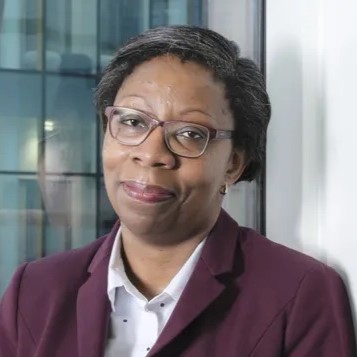
البروفيسورة إنيتان كارول
أستاذة الأمراض المعدية لدى الأطفال، جامعة ليفربول، المملكة المتحدة
عضو في مجموعة الإرشادات الدولية للأطفال التابعة لحملة النجاة من الإنتان · أحد أعضاء فرقة عمل تعريفات الإنتان لدى الأطفال التابعة لجمعية طب العناية الحرجة
الجلسة: الحد من التباين وحالات الإنتان غير المكتشفة: لماذا لا يزال يتم إغفال حالات الإنتان لدى الأطفال؟
على الرغم من تحسن الإرشادات، لا يزال التباين في التشخيص وإغفال حالات الإنتان يمثلان التحدي الرئيسي. ستتناول البروفيسورة كارول الأنظمة والعوامل البشرية التي تؤدي إلى ذلك، وستعرض استراتيجيات قائمة على الأدلة من شأنها أن تسد هذه الفجوة فعليًا.
الجلسة: التعرف المبكر عبر مختلف مراحل تقديم الرعاية
من الرعاية الأولية إلى الرعاية ما قبل المستشفى، ثم إلى قسم الطوارئ ووحدة العناية المركزة للأطفال؛ نظرة تستند إلى البيانات على المواضع التي يفشل فيها التعرف على الإنتان، وكيف تبدو النماذج المتكاملة للتحديد المبكر، وما مقاييس الجودة الأكثر أهمية.
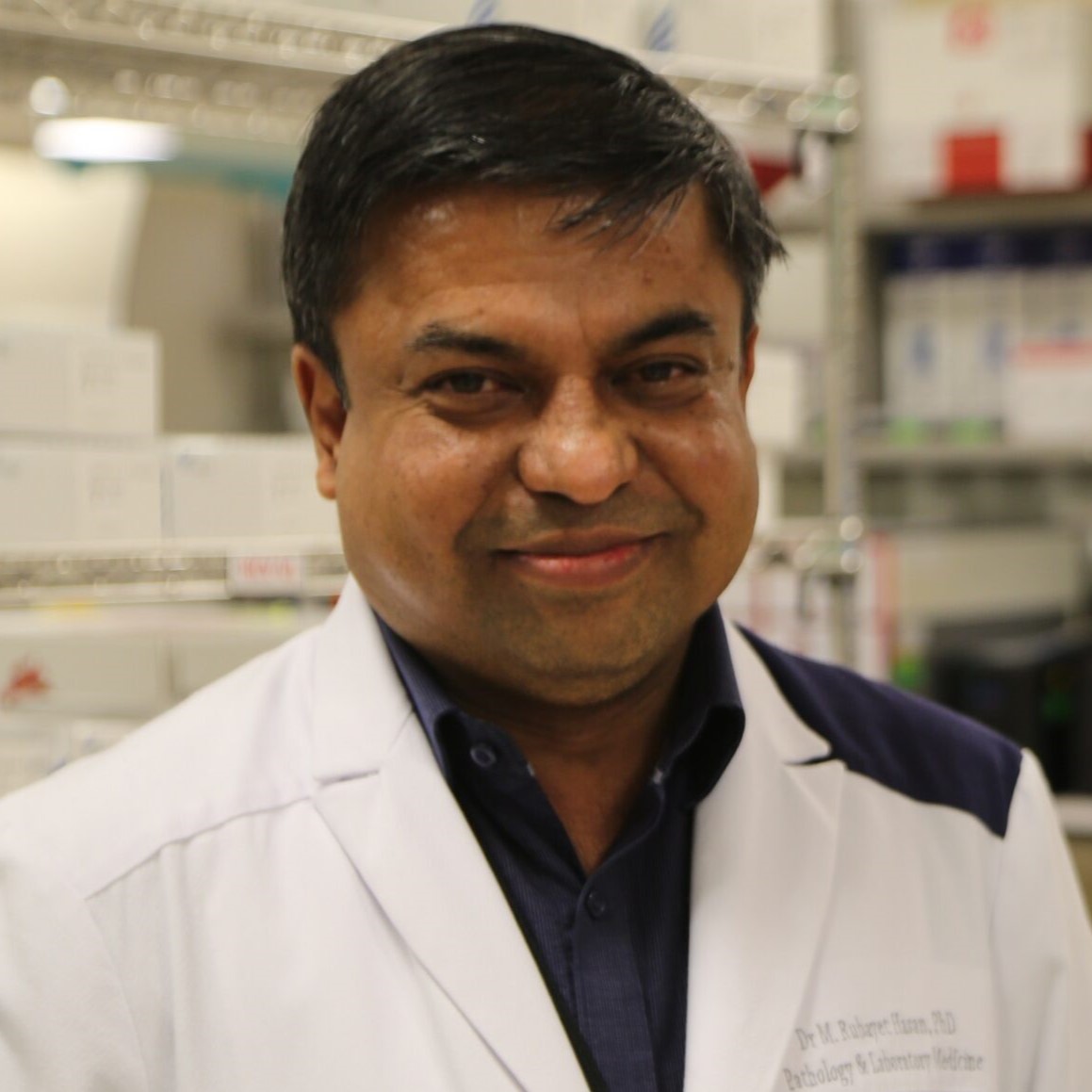
الدكتور محمد روبايت حسن
أخصائي الأحياء الدقيقة السريرية، برنامج طب المختبرات الإقليمي في هاميلتون · أستاذ مشارك، جامعة ماكماستر، كندا
الجلسة: التسلسل الجينومي الميتاجينومي من الجيل التالي للتحديد السريع لمسببات الأمراض في حالات الإنتان
في هذه الندوة، سيستعرض الدكتور حسن الدور الناشئ للتسلسل الميتاجينومي في حالات الإنتان — وكيف يتفوق على الزرع التقليدي من حيث السرعة والحساسية، وما يعنيه ذلك لتحديد مسببات الأمراض لدى الأطفال المصابين بحالات حرجة، وكيف يمكن أن يُحدث تحولًا في اتخاذ قرارات استخدام المضادات الحيوية بجانب سرير المريض
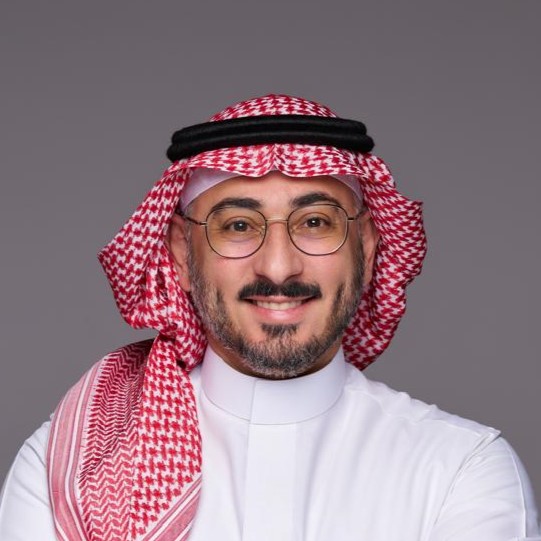
د. ياسر قزاز
استشاري العناية المركزة للأطفال والعناية المركزة للقلب، مستشفى الملك عبد الله التخصصي للأطفال، الرياض
أستاذ مشارك، جامعة الملك سعود بن عبد العزيز للعلوم الصحية · الشؤون الصحية بوزارة الحرس الوطني، المملكة العربية السعودية
الجلسة: تنفيذ برامج تحسين إنتان الأطفال
يقدم الدكتور قزاز منظوراً إقليمياً خليجياً — حيث يعرض بيانات واقعية حول بناء واستدامة برنامج وطني لتحسين جودة رعاية الإنتان لدى الأطفال، بما في ذلك المقاييس التي تم تحسينها، والتغييرات التي طرأت على الرعاية بجانب السرير، وما يتطلبه الأمر لترجمة الإرشادات إلى ممارسة سريرية متسقة عبر نظام رعاية صحية ضخم.
ورش العمل التدريبية
تُعقد ثلاث ورش عمل متوازية في فترة ما بعد الظهر — يختار المندوبون واحدة مسبقًا عند التسجيل. مقاعد ورش العمل محدودة للغاية.
محطة تدريب عملي تحت إشراف هيئة التدريس تغطي وظيفة القلب، وقابلية انخماص الوريد الأجوف السفلي (IVC)، والموجات فوق الصوتية للرئة، والوصول إلى الأوعية الدموية الموجه بالموجات فوق الصوتية.
سيتعلم المشاركون كيفية التعرف على خلل وظائف القلب والأوعية الدموية (CV)، واستخدام الطرق غير الغازية والطفيفة التوغل لمراقبة القلب، وتطبيق مؤشر القلب لتوجيه ومعايرة الإنعاش بالسوائل والعلاج بالأدوية الفعالة في الأوعية الدموية.
سيقوم المشاركون بتطبيق نقاط إنتان فينيكس على سيناريوهات لحالات أطفال حقيقية، ومقارنة أدائها بأدوات الفحص السابقة والمحفزات المحلية الحالية، وتطوير خوارزمية فحص الإنتان الخاصة بالوحدة والتي تدمج معايير فينيكس.
نظرة عامة على البرنامج
| الوقت | عنوان الجلسة/الموضوع | أهداف التعلم الخاصة بالجلسة بحلول نهاية الجلسة، سيكون المشاركون قادرين على: |
|
|---|---|---|---|
| 0730-0800 | التسجيل وقهوة الترحيب | ||
| حفل الافتتاح | |||
| 0800-0805 | الافتتاح | الترحيب والكلمة الافتتاحية البروفيسور إبراهيم جناحي، رئيس الإدارة الطبية، سدرة للطب – الترحيب بالمندوبين، وتقديم موضوع الندوة والتزام قطر بتحسين رعاية إنتان الأطفال |
|
| 0805-0815 10 دقائق |
قصة مريض | عبر العاصفة: قصتي مع الإنتان المتحدث: الدكتورة أديبة حمد مدير الجلسة: الدكتورة بسيمة الحوري |
1. إضفاء الطابع الإنساني على عبء إنتان الأطفال من خلال تجربة عائلية حقيقية. 2. ربط المحتوى السريري لليوم بمنظور المريض والأسرة. 3. تحديد الطابع الأخلاقي والعاطفي للندوة |
| الجلسة 1 – علم الإنتان: إرشادات وتعريفات جديدة | |||
| 0815-0845 30 دقيقة |
كلمة رئيسية | حملة النجاة من الإنتان 2026: ما يحتاج كل طبيب إلى معرفته المتحدث: البروفيسور لورينج شلاباخ |
1. تلخيص التغييرات الرئيسية في إرشادات حملة النجاة من الإنتان للأطفال لعام 2026. 2. تحديد التوصيات ذات الأولوية للتنفيذ السريري الفوري. 3. وصف قاعدة الأدلة التي تدعم الحزم المحدثة |
| 0845-0915 30 دقيقة |
كلمة رئيسية | تقليل التباين وحالات الإنتان التي لم يتم تشخيصها: لماذا يستمر تفويت الأطفال المتحدث: البروفيسور إنيتان كارول |
1. تحديد حجم عبء الإنتان الذي لم يتم تشخيصه لدى الأطفال. 2. تحديد الأنظمة والعوامل البشرية التي تؤدي إلى تباين التشخيص. 3. اقتراح استراتيجيات قائمة على الأدلة لتقليل التشخيصات الفائتة |
| 0915-0930 15 دقيقة |
كلمة رئيسية | تنفيذ برامج تحسين رعاية الإنتان المتحدث: الدكتور ياسر قزاز |
1. وصف المكونات الرئيسية للبرنامج الوطني لإنتان الأطفال المنفذ في المملكة العربية السعودية، بما في ذلك الهيكل والاستراتيجيات وعمليات التنفيذ. 2. تحديد وتحليل الدروس القابلة للنقل من التجربة السعودية والتي يمكن أن تدعم اعتماد الإرشادات وتنفيذها في أماكن الرعاية الصحية ذات الموارد المماثلة. 3. تفسير بيانات النتائج القابلة للقياس من المبادرة الوطنية لتحسين إنتان الأطفال، بما في ذلك المؤشرات السريرية ومؤشرات الجودة، لتقييم التأثير على رعاية المرضى وأداء النظام. |
| 0930-0940 10 دقائق |
أسئلة وأجوبة – نقاش مفتوح رئيس الجلسة: الدكتور أحمد الحمادي مديرا الجلسة: الدكتورة دينا شنورمان، الدكتور إكرام الحق |
||
| 0940-1005 | استراحة القهوة الصباحية والأجنحة التجارية | ||
| 1005-1020 15 دقيقة |
الافتتاح الرسمي | حفل التدشين المتحدث: البروفيسور إبراهيم جناحي |
1. وصف الأولويات الاستراتيجية للأجندة الوطنية القطرية للإنتان. 2. التعرف على دور القيادة الوطنية والسياسات في النهوض برعاية إنتان الأطفال، بما في ذلك الحوكمة والتنسيق ومواءمة نظام الرعاية الصحية. 3. شرح أهمية المبادرات على المستوى الوطني في تحسين نتائج الإنتان، مع الإشارة إلى التزام قطر بالجودة وسلامة المرضى وصحة السكان. |
| الجلسة 2- الاستراتيجية الوطنية، الإرشادات المحلية، وسلسلة الرعاية المستمرة | |||
| 1020-1035 15 دقيقة |
محلي | الاستراتيجية الوطنية القطرية للإنتان: منظور وزارة الصحة العامة المتحدث: الدكتورة رسمية الحنيطي |
1. وصف إطار سياسة الإنتان الوطنية في قطر وهيكل الحوكمة، بما في ذلك أصحاب المصلحة الرئيسيين وآليات الرقابة ومسارات التنفيذ. 2. تحديد أولويات وزارة الصحة العامة (MOPH) لمراقبة الإنتان والإبلاغ عن الجودة، بما في ذلك المؤشرات الرئيسية وأنظمة الإبلاغ المستخدمة لمراقبة الأداء. 3. شرح دور إرشادات الإنتان الوطنية في دفع عجلة التحسين على مستوى النظام، بما في ذلك تأثيرها على توحيد الرعاية واتخاذ القرارات السريرية ونتائج المرضى. |
| 1035-1100 25 دقيقة |
مشترك | إرشادات إنتان الأطفال الجديدة في سدرة للطب: من السياسة إلى الممارسة سياق السياسة والافتتاح فحص الإنتان بجانب السرير المتحدثون: الدكتور مانو سوندارام، محمد سبيتي، كوليت دونيلي، الدكتورة نسرين فقيه |
1. وصف هيكل إرشادات إنتان الأطفال المطورة حديثاً في سدرة للطب، بما في ذلك التحديثات الرئيسية المتوافقة مع توصيات حملة النجاة من الإنتان لعام 2026. 2. إثبات تطبيق أداة فحص الإنتان المحدثة بجانب السرير ومعايير التصعيد من خلال السيناريوهات السريرية أو المناقشة القائمة على الحالة. 3. شرح الخوارزمية المتدرجة لإدارة إنتان الأطفال، بدءاً من فرز قسم الطوارئ وحتى الإدارة في وحدة العناية المركزة للأطفال (PICU). 4. تحديد استراتيجية تنفيذ إرشادات الإنتان، بما في ذلك عمليات التدقيق ومراقبة الأداء ومبادرات تثقيف الموظفين لدعم التغيير المستدام في الممارسة. |
| 1100-1125 25 دقيقة |
كلمة رئيسية | معايير فينيكس لإنتان الأطفال: مشكلة تم حلها أم تحديات جديدة المتحدث: البروفيسور لورينج شلاباخ |
1. شرح اشتقاق والتحقق من صحة درجة إنتان فينيكس. 2. مقارنة فينيكس مع التعريفات القديمة والقائمة على SIRS. 3. التقييم النقدي لحدود فينيكس في الأماكن ذات الموارد المتفاوتة وأقسام حديثي الولادة. |
| 1125-1145 20 دقيقة |
حلقة نقاش للحالات | الطفل المتدهورة حالته: حالة حقيقية تقديم الدكتور أبو بكر عايد أعضاء حلقة النقاش: – الدكتور محمد إسلام – الدكتورة بسيمة الحوري |
1. تتبع الرحلة الحقيقية لطفل تتدهور حالته من الرعاية الأولية عبر سيارة الإسعاف وطوارئ الأطفال وطوارئ سدرة. 2. تحديد نقاط اتخاذ القرار الحاسمة والفجوات في وقت التعرف عبر سلسلة الرعاية المستمرة. 3. تسليط الضوء على ما سار بشكل جيد والتغييرات النظامية التي كان من الممكن أن تقصر الوقت حتى العلاج. 4. الاتفاق على معايير إحالة مشتركة وبروتوكولات اتصال عبر مؤسسة الرعاية الصحية الأولية ومؤسسة حمد الطبية وطوارئ الأطفال وسدرة. |
| 1145-1155 10 دقائق. |
أسئلة وأجوبة رئيس الجلسة: البروفيسور إبراهيم جناحي مدير الجلسة: الدكتورة بثينة العذبة |
||
| 1155-1250 | استراحة الغداء، صلاة الظهر وعرض الملصقات | ||
| الجلسة 3 – الأنظمة والتكنولوجيا وتحسين الجودة | |||
| 1250-1310 20 دقيقة |
كلمة رئيسية | التسلسل الميتاجينومي من الجيل التالي للتحديد السريع لمسببات الأمراض في الإنتان المتحدث: الدكتور محمد رباعيات حسن |
1. وصف مبادئ التسلسل الميتاجينومي من الجيل التالي (mNGS) وتطبيقه في تشخيص الإنتان السريري. 2. تقديم أدلة حول وقت الاستجابة والحساسية والخصوصية لـ mNGS مقابل الزراعة التقليدية. 3. مناقشة تحديات التنفيذ والتكلفة وأطر الحوكمة لـ mNGS في بيئة العناية المركزة للأطفال. |
| 1310-1325 15 دقيقة |
محلي | تسلسل الجينوم الكامل لمقاومة مضادات الميكروبات في سدرة: سبع سنوات من التحقيق في تفشي الأمراض المتحدث: الدكتور أندريس لوبيز |
1. تلخيص خبرة سبع سنوات في التحقيق في تفشي الأمراض الموجه بتسلسل الجينوم الكامل (WGS) في سدرة للطب. 2. توضيح كيف غيّر WGS مراقبة مقاومة مضادات الميكروبات واستجابات مكافحة العدوى. 3. تحديد دمج بيانات WGS في مسارات إدارة الإنتان السريرية في سدرة. |
| 1325-1340 15 دقيقة |
محلي | الإشراف على المضادات الحيوية، تحسين الصيدلة والعدوى المرتبطة بالرعاية الصحية في إنتان الأطفال المتحدثون: الدكتور عبد الواحد زنيل، الدكتورة داليا أحمد |
1. تمييز العلاقة بين العدوى المرتبطة بالرعاية الصحية (HAIs) ونتائج الإنتان 2. تحديد مبادئ الإشراف على المضادات الحيوية ضمن إطار حزمة 2026. 3. تقديم مبادئ PK/PD لتحسين الجرعات التجريبية في إنتان الأطفال. 4. وصف بروتوكولات خفض التصعيد بقيادة الصيدلة وتسوية الأدوية. |
| 1340-1350 10 دقائق. |
أسئلة وأجوبة رئيس الجلسة: الدكتور جيسون فورد مديرا الجلسة: الدكتور خالد الليثي، الدكتور ريكاردو برانكو |
||
| 1350-1410 | استراحة القهوة المسائية والأجنحة التجارية | ||
| الجلسة 4 – فئات خاصة، بالتوازي مع ورش العمل أ، ب، و ج | |||
| 1410-1425 15 دقيقة |
محلي | إنتان الأمهات وتداعياته على حديثي الولادة المتحدث: الدكتورة خولة إسماعيل |
1. وصف الفيزيولوجيا المرضية لإنتان الأمهات والتأثيرات عبر المشيمة على الجنين وحديثي الولادة. 2. تحديد عوامل الخطر لإنتان حديثي الولادة بعد إصابة الأم بالعدوى. 3. تحديد مسارات رعاية الإنتان المشتركة بين التوليد وحديثي الولادة وبروتوكولات التنبيه في سدرة للطب. |
| 1425-1440 15 دقيقة |
محلي | التحديد المبكر للإنتان المشتبه به لدى حديثي الولادة – نهج بقيادة التمريض يتجاوز زراعة الدم المتحدث: ثيا ماري ريفيرا روبليزا |
1. تحديد التحولات السريرية المبكرة والخفية عن خط الأساس الفردي للرضيع قبل انهيار القلب والجهاز التنفسي. 2. تفسير مآزق حجم زراعة الدم، والتأخيرات الحركية لـ CRP/PCT، ودور المراقبة التنبؤية المستمرة (HRC/HeRO) 3. تطبيق إطار تقييم قياسي من 8 نقاط لتجميع مخاطر الأم والاتجاهات الموضوعية بجانب السرير 4. التواصل بحزم باستخدام SBAR/CUS والقيادة النشطة لمراجعة مهلة المضادات الحيوية لمدة 36 ساعة |
| 1440-1455 15 دقيقة |
محلي | الإنتان لدى مرضى الأورام وما بعد زراعة نخاع العظم الذين يتلقون معدلات مناعية حديثة المتحدث: الدكتورة شيخة القحطاني |
1. تحديد الفيزيولوجيا المرضية الفريدة للإنتان لدى الأطفال الذين يعانون من نقص المناعة. 2. مناقشة تأثير المعدلات المناعية الأحدث — مثبطات نقاط التفتيش، CAR-T، مثبطات JAK — على ظهور الإنتان والاستجابة له. 3. تقديم تعديلات قائمة على الأدلة على حزم الإنتان القياسية لمرضى الأورام وما بعد زراعة نخاع العظم |
| 1455-1510 15 دقيقة |
محلي | التعرف المبكر عبر سلسلة الرعاية المستمرة: الأدلة وأفضل الممارسات المتحدث: البروفيسور إنيتان كارول |
1. تقديم أدلة حول الوقت حتى التعرف على المرض والنتائج عبر إعدادات الرعاية. 2. تحديد النموذج المتكامل للتعرف على الإنتان الممتد من الرعاية الأولية، قبل المستشفى، وقسم الطوارئ. 3. اقتراح مقاييس الجودة لقياس فعالية المسار عبر سلسلة الرعاية المستمرة. |
| 1510-1525 15 دقيقة |
محلي | عدوى مجرى الدم المرتبطة بالخط المركزي (CLABSI) – إنقاذ الخط أو استبداله المتحدث: الدكتور وليد مبارك |
1. وصف المعضلة المتعلقة بإنقاذ أو إزالة الخط في CLABSI 2. تقديم بيانات حول CLABSI 3. مناقشة كيفية الوقاية من إنتان الخط |
| 1525-1535 10 دقائق. |
أسئلة وأجوبة رئيس الجلسة: الدكتور خالد أنصاري مديرا الجلسة: الدكتور سانوج علي، دوان وونغ |
||
| ورش عمل متوازية | |||
| 1410-1535 1.5 ساعة |
الجلسة أ الموجات فوق الصوتية في نقطة الرعاية (POCUS) في الإنتان محطة تدريب عملي بإشراف هيئة التدريس الميسرون: الدكتور محمد إسلام، الدكتور فاني كيران ياجامانيام، الدكتور هيثم إبراهيم، الدكتور خالد اليافعي |
1. تحديد تطبيقات POCUS في الإنتان: وظيفة القلب، الاستجابة للسوائل، قابلية انهيار الوريد الأجوف السفلي، الموجات فوق الصوتية للرئة. 2. إجراء فحص بروتوكول RUSH منظم على جهاز محاكاة. 3. دمج نتائج POCUS في اتخاذ القرارات الديناميكية الدموية في الوقت الفعلي. 4. مناقشة القيود والمزالق الخاصة بـ POCUS لدى فئات الأطفال |
|
| الجلسة ب مراقبة مؤشر القلب في الصدمة الإنتانية – سيناريوهات عملية للمرضى الميسرون: الدكتور إكرام حق، الدكتور أرافانان شاكراباني |
1. التعرف على خلل وظائف القلب والأوعية الدموية في الصدمة الإنتانية للأطفال 2. تطبيق مراقبة النتاج القلبي غير الغازية والغازية بالحد الأدنى 3. دمج بيانات مؤشر القلب في العلاج الموجه بالسوائل والأدوية الفعالة في الأوعية الدموية |
||
| الجلسة ج فحص الإنتان المبكر — سيناريوهات معايير فينيكس – التعلم القائم على المحاكاة الميسرون: البروفيسور لورينج شلاباخ، الدكتورة نسرين فقيه، الدكتورة أديبة حمد |
1. حساب درجة إنتان فينيكس لسلسلة من سيناريوهات حالات الأطفال الحقيقية. 2. مقارنة فينيكس مع أدوات الفحص السابقة والمحفزات المحلية الحالية. 3. تصميم خوارزمية فحص على مستوى الوحدة تتضمن فينيكس. 4. تحديد فئات المرضى حيث يكون لفينيكس قيود معروفة |
||
| الجلسة الختامية – حلقة النقاش الختامية والحفل | |||
| 1535-1630 55 دقيقة |
حلقة نقاش | تقليل خطر الإنتان – خرافة أم حقيقة حالة سيتم تقديمها بواسطة الدكتورة رؤى محمد أعضاء حلقة النقاش: – البروفيسور لورينج شلاباخ – البروفيسور إنيتان كارول – الدكتور ياسر قزاز – غلوريا كامبا – الدكتور محمد إسلام – الدكتورة شابينة خان – الدكتورة سوزان ناصر رئيس الجلسة: الدكتورة إيمان مسلماني مديرا الجلسة: الدكتور هاريس هدى، الدكتور مانو سوندارام |
1. التمييز بين إنتان الأطفال الذي يمكن الوقاية منه والذي لا يمكن الوقاية منه 2. التعرف على مقاومة مضادات الميكروبات كأجندة وقائية ناشئة 3. تطبيق عدسة الوقاية على الممارسة المحلية |
| 1630-1650 | نقاط العمل والشكر والتقدير وشهادة الحضور المتحدثون: الدكتور مانو سوندارام |
الإعلان عن نقاط العمل الرئيسية والخطوات التالية؛ توجيه الشكر للمتحدثين وأعضاء هيئة التدريس والرعاة؛ توزيع شهادات الحضور؛ إطلاق بيان التزام الشبكة القطرية لإنتان الأطفال. | |


شركاء التأمين لدينا
شركاء التأمين لدينا